 info@mnmedicalinternational.com.tr
 +90530 665 28 81

Cardiology and Cardiovascular Surgery
The number of people suffering from cardiovascular diseases is increasing day by day. People; They encounter cardiovascular diseases due to factors such as fast food-based diet, sedentary lifestyle, smoking and alcohol use. Those who notice the symptoms of the aforementioned disorders; They start to research which department they will go to and which doctor they will be treated to. In particular, one wonders the difference between cardiology and cardio-surgery. Many people; thinks that cardiology and cardiovascular surgery are the same. However, those who think this way are in serious error.
What is the Difference Between Cardiology and Cardiovascular Surgery?
Cardiology; the person’s history examines. He tries to identify the existing ailment. It examines the person who has the complaint. Then, it determines what the disorder is and puts into practice an appropriate treatment plan. However, in cases where any surgical procedure is required, the patient should be directed to the cardiovascular surgery department. Doctors working in cardiovascular surgery; perform the necessary surgical procedure. The result is; In addition, there are important differences between cardiology and cardiovascular surgery.
What Does Cardiology Look at?
Cardiology; It can be defined as a branch of science that works on the heart and circulatory system. Cardiology, which has found a place in internal medicine in the past years; In these days we are in the 2020s, it is expressed as a single branch of science. cardiology specialists; As can be expected, they examine the patients’ heart and circulatory system disorders in detail. Shortness of breath, chest pain, heart rhythm disorders, congenital heart disorders, pain in the neck and left arm, sweating and nausea due to this pain, coronary artery disorders; It is among the diseases that cardiology deals with.
Cardiology; It is often confused with cardiovascular surgery due to the diseases in her area of interest. However, as we have mentioned before, there are some differences between the two sections. Cardiology; It primarily diagnoses the disease. Then, he starts to treat the disease with appropriate methods.

What Does Cardiovascular Surgery Look at?
The first address of those who face heart and vascular problems is cardio and vascular surgery. First of all, they have to go to the cardiology department. cardiology specialists; They diagnose what the person’s ailment is. Then, they decide which treatment to apply to the patient. Some ailments are cured. is treated with However, some require direct surgery for treatment. In addition, the drug treatment; it may not work in some cases. At this point, surgical procedure is needed. is heard. cardiologist; By looking at the situation of the person, it decides which method should be preferred. Patient; especially in cases where a surgical intervention is required, it is directed to cardiovascular surgery by a cardiologist. Thanks to the procedures performed in cardiovascular surgery, the patient is restored to his former health.
Cardiovascular surgeon; assess the patient’s condition. Refers to the option of surgery. During the operation, it opens the heart of the patient. In this way, it makes the necessary corrections. In the mentioned stage, cardiac arrest may be encountered. The cardiovascular surgeon steps in and makes the heart work again. In this way, the patient; regains his old health. Surgical intervention is very critical. It must be done by a successful cardiovascular surgeon. In these days when we are in the 2020s, we can say that cardiovascular surgery has continuously made progress thanks to technological developments. Researches and studies; It is beneficial for patients to regain their health as soon as possible.
Which Diseases Does Cardiology Deal With?
Cardiology; It is defined as the branch of science that examines diseases related to the heart and circulatory system. A doctor who has completed six years of medical education is required to receive specialization training in the field of cardiology. Then, he gets the title of cardiologist (cardiologist). People; If they encounter some symptoms, they should go to the cardiology department without wasting time. In particular, symptoms such as cyanosis, palpitations, fatigue, fainting, shortness of breath, edema, chest pain, nighttime urination should be taken seriously. Under these symptoms, there may be a much more serious condition.
Heart; It is an organ that has vital importance on behalf of the body. It fulfills the task of pumping blood to the body. But the heart; for a number of reasons, the body’s needs; He cannot pump the blood he hears as much as it should. In such cases, a disease called heart failure occurs. Most of the cases that come to the cardiology department are known as heart failure. In addition, cardiology; It also deals with the following ailments:
 Hypertension: It is known as a chronic disease. Blood pressure, known as blood pressure; Each person has a different value. Two different types of blood pressure known as high and low blood pressure. available. At this point, hypertension occurs when the pressure in the patient’s blood vessels is above normal. Hypertension; It manifests itself with symptoms such as urination at night, shortness of breath, weakness, fatigue, headache, dizziness, swelling in the legs, blurred or double vision, nose bleeds, and tinnitus. . In addition, there are multiple factors that reveal hypertension. Hypertension is encountered in people who eat more salty foods than necessary, use alcohol and cigarettes, have high intracranial pressure, have kidney tumors, suffer from acute or chronic kidney disorders, and have diabetes. Hypertension treatment actually involves a process. First of all, it is necessary for a person to make some changes in his lifestyle. In particular, it is essential for the person to return to their ideal weight. In addition, salt consumption should be reduced. More fruits and vegetables should be consumed. Foods rich in saturated fat should not be consumed. In addition, it is essential for the person to quit smoking and alcohol use.
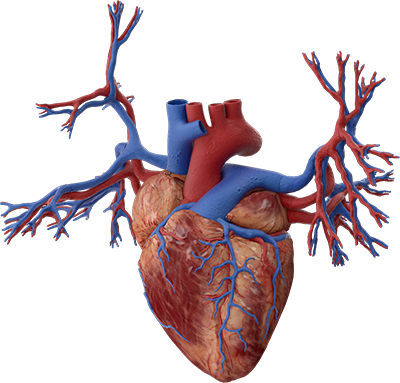
Coronary heart disease: It is the disease that occurs due to problems that block the vessels feeding the heart. Obstruction of blood flow; it causes the person to get tired quickly. In addition, complaints such as chest pain and shortness of breath are also encountered. Complete blockage of the artery causes a heart attack. In other words, one’s life is in danger. Patient; In order not to get this disease, there are some changes in lifestyle.should make changes. Alcohol and smoking should be avoided. Besides, bad eating habits and a sedentary lifestyle should also be abandoned. In addition, the vessels of the heart are displayed to diagnose the patient’s condition. In some cases, the drug treatment is applied. In addition, balloon or stenting may be used. There are also cases where surgery is necessary.
Aortic regurgitation: It is a life-threatening disease, especially for people over a certain age. Cardiology; It also deals with aortic insufficiency. If there is an enlargement of the artery called aorta, a disorder called aortic insufficiency occurs. It is frequently seen in patients who are faced with the problem of high blood pressure. In addition, it should be underlined that people over the age of 60 also face this problem due to the changes in the vessel wall structure over the years. In addition, bacterial infections can also cause this problem.
Cardiology diseases; it usually presents itself with similar symptoms. Symptoms such as palpitations, fainting, involuntary weight loss, chest pain, night urination, vomiting blood, erectile dysfunction should be taken seriously and a cardiologist should be contacted. During the diagnosis of cardiology diseases, methods such as effort test, echocardiography, CT coronary angiography, chest radiographs, Holter EKG are used. In fact, the diagnostic method using gamma rays, called myocardial perfusion scintigraphy, is very popular.