 info@mnmedicalinternational.com.tr
 +90530 665 28 81

General Surgery
People; they are faced with some diseases that occur depending on both age and environmental factors. Action should be taken as soon as possible in order to treat these diseases that significantly decrease the quality of life. General surgery; people’s most needs It is valuable because it offers the treatments they need. It deals with the diagnosis and treatment of many health problems.
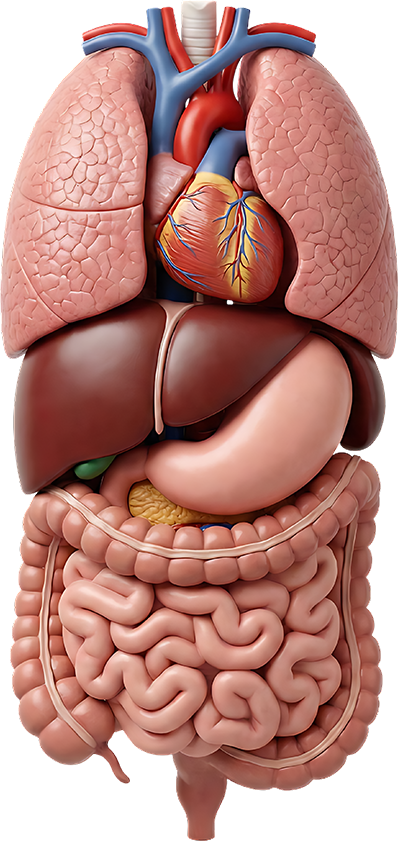
General surgeons operating in the field of General surgery; They are especially interested in the discomforts that arise in relation to the abdomen and related organs. Diseases of the liver, pancreas, bile ducts, spleen, small and large intestines, stomach and rectum; falls within the scope of general surgery. general surgeons; After six years of medical education, they start to serve by receiving specialization training in this field.

What is General Surgery?
There are many options for the treatment of diseases. First of all, it is a medicine for a disease. found to be treated with In cases where the drug is not effective, different medical methods come into play. However, in some cases, general surgery is needed. is heard. General surgery; It is a discipline that focuses on eliminating the diseases that cannot be treated with any method through surgery or healing the diseased organ by cutting and removing it. In other words, thanks to general surgery, it becomes possible to treat many diseases surgically.
General surgery; It has to cooperate with different fields. Particularly, joint studies are carried out with disciplines such as endocrinology, traumatology and oncology. In addition, general surgery; It is the discipline that most benefits from new generation medical practices. In fact, in these days when we are in the 2020s, we can say that robotic technology is mostly used in general surgery and it draws attention with its nearly one hundred percent positive results.
Which Diseases Does General Surgery Deal With?
General surgery; As we mentioned before, it can be defined as a complex discipline because it deals with a large number of diseases. How to do the treatment; It is closely related to the organs where the surgery will be performed and the systems to which the organs are connected. These details are; It has a vital importance in determining which part of the operation and general surgery will be interested.
General surgery; It deals with stomach, rectum, liver, gall bladder, small and large intestine, esophagus surgeries necessary for the treatment of digestive system diseases. During operations, open or closed techniques are used. Laparoscopic and endoscopic systems; It is among the closed surgical techniques. Both are especially preferred because they promise a fast recovery process.
General surgery; It deals with breast problems that both women and men suffer from. Good or bad, especially in the breast removal of benign tumors; falls within the scope of general surgery. In addition, general surgery, which comes into play when it is necessary to monitor the condition of the breast; it also shows itself in terms of preventive medicine. In other words, with preventive medicine, the patient’s problem is resolved without the need for surgery. Oncology patients; It has a significant share among the total patients of general surgery. General surgery; It deals with the elimination of all forms occurring in different parts of the body. In addition, joint studies are carried out with units such as radiology, pathology, and medical oncology after the surgery.
 Which Surgeries Does General Surgery Perform?
General surgery; they can perform many surgeries without any problems.
- Stomach reduction operations
- Obesity surgeries
- Breast
- Stomach
- Thyroid
- Esophagus
- Liver
- Spleen
- Guts
- Pancreas
- Abdominal mass
- Inguinal hernias
- Stomach and abdominal hernias
- Anal abscess
- Appendicitis
- Circumcision
People; In addition to their important ailments, they can also apply to general surgery for gastric reduction and obesity surgeries, which are necessary to lose the weight they cannot lose with diet and exercise.