 info@mnmedicalinternational.com.tr
 +90530 665 28 81

Sleeve Gastrectomy
What Is Sleeve Gastrectomy? An Effective Method in Obesity Surgery
Sleeve gastrectomy, medically known as Sleeve Gastrectomy, is one of the surgical methods used in the treatment of obesity. In this procedure, approximately 70–80% of the stomach is surgically removed, leaving a smaller, tube-shaped stomach. As the stomach volume becomes smaller, the person feels full with less food, and daily calorie intake is significantly reduced.
Today, sleeve gastrectomy is one of the most commonly performed procedures in obesity surgery. It is considered an effective treatment option for many patients because it supports weight loss and helps control metabolic diseases.
Who Is Sleeve Gastrectomy Suitable For?
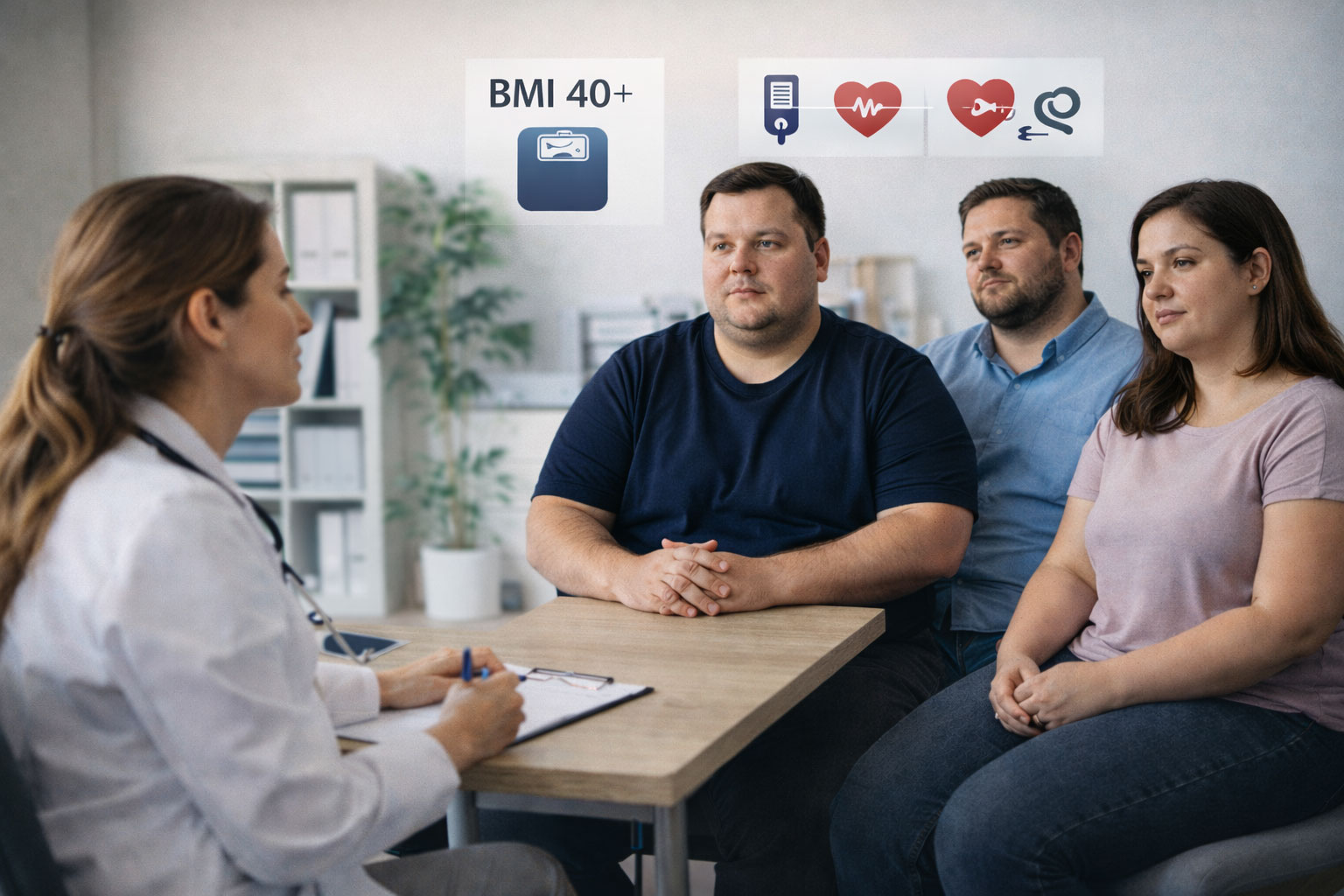
Sleeve gastrectomy is generally recommended for individuals who suffer from severe obesity. Whether the procedure is appropriate is determined by evaluating the patient’s overall health condition and body mass index (BMI).
It may generally be recommended for:
-
Individuals with a Body Mass Index (BMI) of 40 or higher
-
Individuals with a BMI of 35 or higher who also have conditions such as diabetes, hypertension, or sleep apnea
-
People who are unable to achieve lasting weight loss through diet and exercise
-
Patients experiencing health problems related to obesity
The decision to perform surgery should always be made after evaluation by a specialist physician.
How Is Sleeve Gastrectomy Performed?
Sleeve gastrectomy is usually performed using a laparoscopic (minimally invasive) method. In this technique, the operation is carried out using specialized surgical instruments and a camera inserted through small incisions made in the abdominal area.
During the procedure:
-
A large portion of the stomach is surgically removed.
-
A narrow, tube-shaped stomach is left in place.
-
Since the stomach volume becomes smaller, the person feels full after eating smaller portions of food.
The operation usually takes 1–2 hours, and patients are often discharged within a few days.

Advantages of Sleeve Gastrectomy
Sleeve gastrectomy offers many advantages in the treatment of obesity:
-
It helps patients feel full with smaller amounts of food
-
It supports significant weight loss
-
It may help control metabolic diseases such as diabetes and high blood pressure
-
Recovery is generally faster due to the laparoscopic technique
-
Patients can return to their daily activities in a shorter time
However, as with any surgical procedure, sleeve gastrectomy should be carefully planned and performed by an experienced medical team.
Post-Surgery Process
The period after sleeve gastrectomy is very important for achieving successful weight loss. Patients need to follow a specific nutrition plan and make lifestyle changes after surgery.
The post-operative process generally includes:
-
A liquid-based diet during the first days
-
Gradual transition to solid foods under the supervision of a doctor and dietitian
-
Regular medical check-ups
-
Gradually increasing physical activity
During this period, follow-up by a specialist physician and dietitian plays a crucial role in achieving healthy and long-term weight loss.